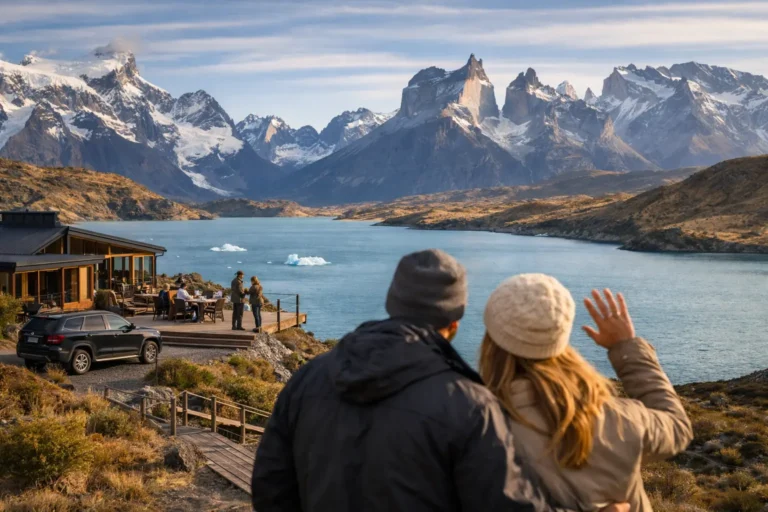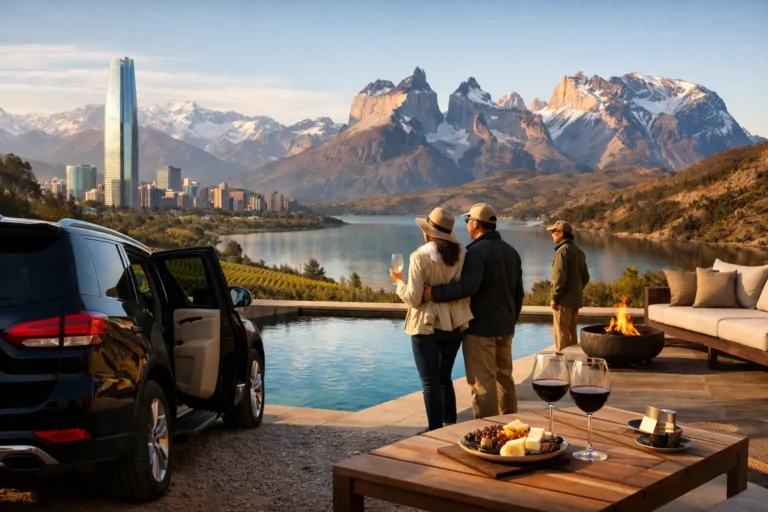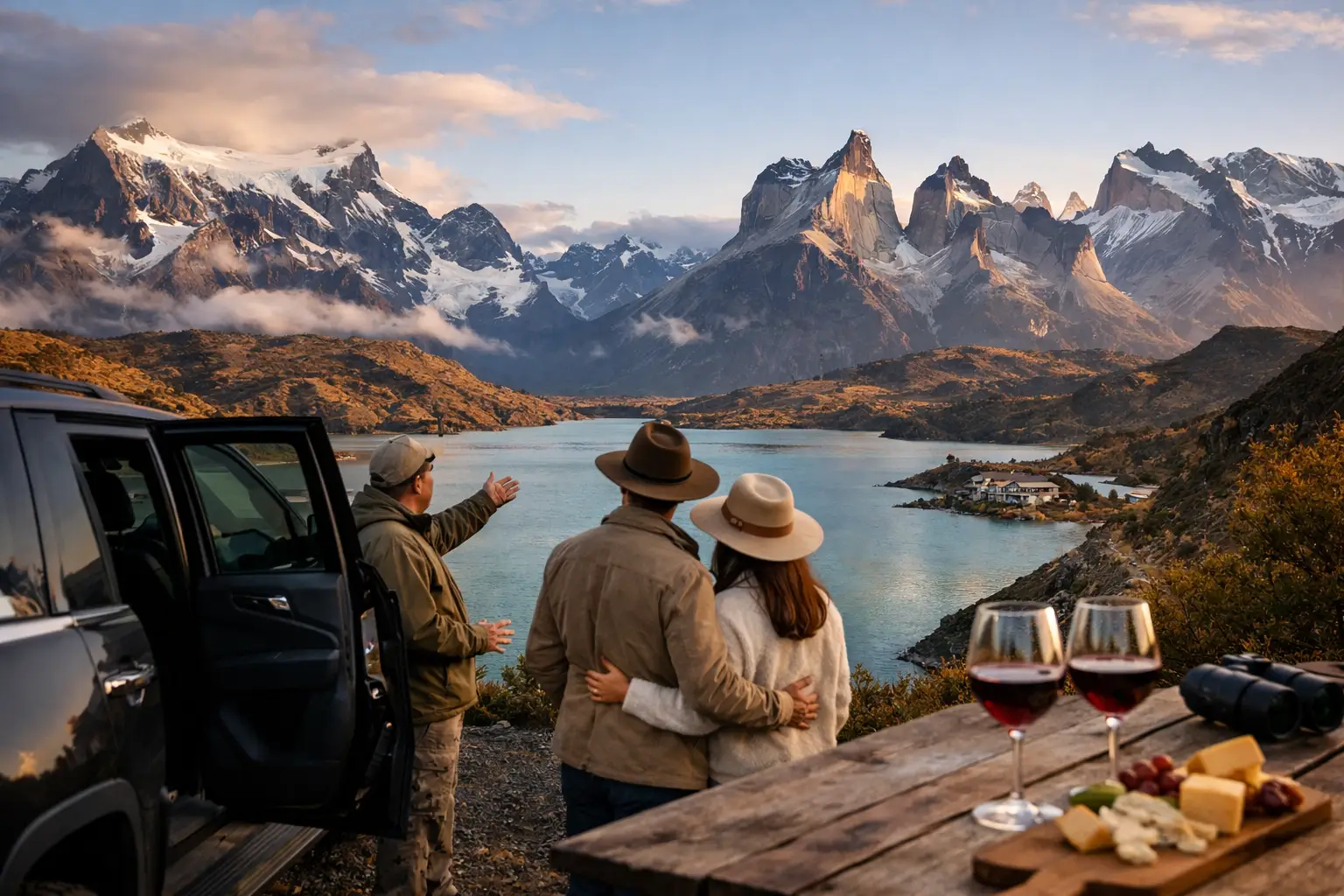
Patagonia can reward you with still lakes reflecting granite towers – or greet you with sideways wind, sudden sleet, and trails that feel like a test of resolve. That is why the question of when visit Torres del Paine is not just about weather. It is about the kind of experience you want, how much flexibility you have, and whether your trip is built around hiking, photography, wildlife, or simply enjoying Patagonia in comfort.
For most travelers, the best time to visit Torres del Paine is between late October and early April, when lodges are fully operating, days are longer, and access is more straightforward. But there is no single perfect month for everyone. A couple planning a honeymoon, a family with limited vacation dates, and a photographer chasing dramatic light may each choose a different window – and each could be right.
When visit Torres del Paine depends on your priorities
Torres del Paine changes meaningfully from month to month. The landscape is always striking, but the rhythm of the park shifts with daylight, wind, temperature, and visitor levels.
If your priority is classic sightseeing with the highest chance of open services and milder conditions, the Southern Hemisphere summer is the safest choice. If you care more about quieter viewpoints, autumn color, or shoulder-season light, you may prefer a less obvious time.
That is where good planning matters. In Patagonia, timing affects everything from how long you can comfortably be outdoors to how smooth your transfers, excursions, and lodge experience will feel.
Summer in Torres del Paine – December through February
Summer is the most popular season, and with good reason. Days are long, many excursions operate at full capacity, and temperatures are generally the most forgiving. If you want broad access to the park with fewer operational variables, this is the most dependable period.
For first-time visitors, January and February often make the trip easier. There is more daylight for scenic drives, private excursions, and unhurried lunches with a view. Families also tend to prefer this season because the logistics are simpler and weather disruptions are less likely to define the experience.
The trade-off is that summer is also the windiest and busiest time. Torres del Paine is famous for dramatic conditions, and even on bright days the wind can be intense. That does not ruin the experience, but it does change it. A picnic stop may be shorter than planned, and a scenic walk can feel much more demanding than the distance suggests.
For luxury travelers, summer works especially well when the itinerary includes private guiding, carefully timed departures, and enough flexibility to adapt during the day. That way, you keep the beauty of peak season without feeling rushed by it.
Best for
Summer is ideal for first-time visitors, couples wanting the broadest range of experiences, and travelers who want the strongest mix of comfort, access, and iconic scenery.
Spring in Torres del Paine – October and November
Spring is one of the most rewarding times to visit if you appreciate a sense of space. The park begins to open up after winter, the days lengthen quickly, and the scenery feels fresh and alive.
Wildlife viewing can be excellent in this period, particularly for travelers interested in guanacos and birdlife. Snow may still linger on the peaks, which adds contrast to the landscape and often makes photographs especially striking. There is a crispness to the air and a brightness to the scenery that many seasoned Patagonia travelers genuinely love.
October can feel more variable, and that is the point to understand clearly. Conditions can shift fast, with a beautiful morning giving way to strong wind or colder temperatures later in the day. November is often a sweeter spot – more services are operating, days are longer, and the park still feels less intense than midsummer.
This is a strong choice for travelers who want beauty without the height of summer traffic. It suits people who value atmosphere and access, and who are comfortable with Patagonia feeling a little more untamed.
Fall in Torres del Paine – March and early April
If you ask many well-traveled Patagonia guests when to visit Torres del Paine, fall is often where the conversation gets interesting. March and early April can be exceptional.
The summer crowds begin to ease, the light softens, and patches of lenga forest turn gold and copper. On clear days, the park feels calmer and more cinematic. For photographers and couples looking for a more romantic tone, this season is hard to dismiss.
March is especially attractive because it often still offers good operational reliability while introducing a more relaxed pace. Early April can be beautiful as well, though temperatures drop further and seasonal services begin to narrow. If your priority is a polished, comfort-led experience with scenic depth and fewer people in your frame, this window deserves serious attention.
The main consideration is flexibility. Fall is wonderful, but it asks for smart planning and realistic expectations. You may have cooler mornings, shorter days, and more weather variability than in peak summer.
Best for
Fall is excellent for photographers, couples, repeat Patagonia visitors, and travelers who value a more serene and visually rich atmosphere.
Winter in Torres del Paine – May through September
Winter in Torres del Paine is beautiful, quiet, and very different from the classic first visit. Snow on the mountains can be spectacular, and the park takes on a more remote, hushed character that some travelers find unforgettable.
At the same time, winter is not the easiest season for most international visitors. Daylight is limited, weather can be harsher, and service availability is more restricted. Certain excursions and lodges may not operate in the same way they do during the main season.
For a traveler specifically drawn to winter landscapes and a more private-feeling Patagonia, this can be compelling. But it is usually best approached with expert planning, strong comfort standards, and a clear understanding that the trip will be shaped more heavily by conditions.
For most first-time luxury travelers, winter is better considered only if the appeal of snow-covered Patagonia is central to the trip rather than incidental.
Best month for each type of traveler
If your goal is broad access and classic Patagonia conditions, January and February are the easiest answer. If you want a refined balance of scenery, fewer visitors, and good operating conditions, November and March are often the standout months.
For honeymooners and couples, March has a particularly elegant feel. The light is softer, the park is less crowded, and the experience often feels more intimate. For families traveling during holiday periods, January can be the more practical option because it offers longer days and simpler scheduling.
For photographers, both November and March tend to be strong choices. Spring brings contrast, active wildlife, and snow accents on the peaks. Fall adds color, mood, and gentler light. The better month depends on whether you prefer crisp freshness or richer tones.
Weather matters, but logistics matter too
A common mistake is choosing dates based only on average temperatures. In Torres del Paine, the real question is how the season affects the quality of your overall journey.
A well-planned Patagonia trip is about more than reaching the park. It is also about coordinated arrivals, comfortable transfers, thoughtful pacing, and staying somewhere that matches your style of travel. When conditions change, good planning protects the experience. That is especially important in a destination where distances are long and weather is never merely a background detail.
This is why many high-end travelers prefer to build Patagonia around private logistics and tailored timing rather than fixed, rigid schedules. A little flexibility can make a major difference, whether that means leaving early for better light, adjusting an excursion to avoid strong afternoon wind, or balancing active time with scenic comfort.
So, when should you visit Torres del Paine?
If you want the most straightforward answer, visit between November and March. That is the best overall window for most travelers, especially if this is your first Patagonia journey.
If you want the most balanced answer, choose November or March. These months often deliver the sweet spot between access, beauty, and a more relaxed experience.
If you want the most specialized answer, it depends on what you want to feel when you are there. Summer feels expansive and energetic. Spring feels fresh and alive. Fall feels quieter and more atmospheric. Winter feels remote and elemental.
For guests planning a private Chile itinerary, that distinction matters. The right month is not simply the one with the warmest forecast. It is the one that aligns with your pace, your interests, and the level of comfort you expect from a Patagonia experience.
Torres del Paine is unforgettable in every season that suits your style – the real luxury is choosing the one that lets the park meet you at its best.