A Patagonia itinerary can look simple on a map, yet the experience is shaped by a handful of details that deserve careful attention: flight timing, lodge location, weather windows, trail ambitions, and the distance between each moment. This guide to Patagonia private travel is designed for travelers who want the region’s drama without leaving the logistics, comfort, or daily rhythm to chance.
Patagonia rewards a thoughtful approach. A private journey gives you room to linger at a viewpoint after the light changes, begin a scenic drive when it suits your morning, or adjust the day around your family’s energy. It is not simply about traveling in a premium vehicle. It is about having an itinerary that responds to you.
A guide to Patagonia private travel: what private changes
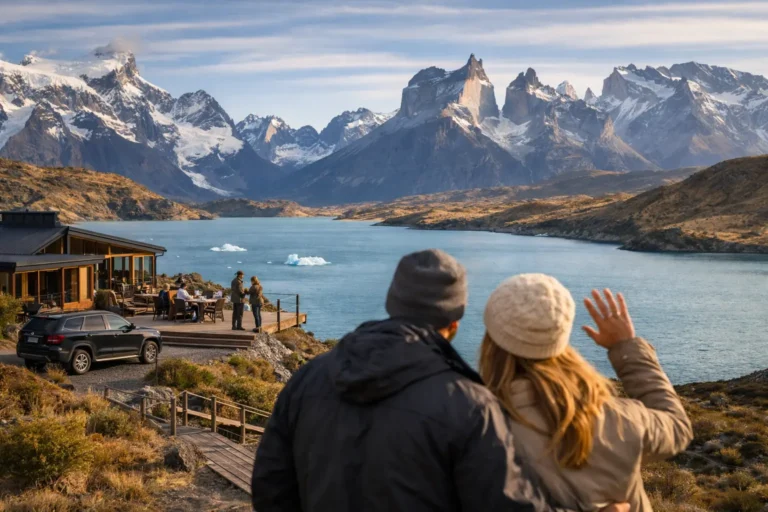
In Torres del Paine, the difference between a well-planned trip and an exhausting one often comes down to coordination. The park is vast, weather is famously variable, and the most memorable experiences can be spread across long, beautiful drives. Private transportation and expert local guidance turn those transitions into part of the experience rather than time you need to manage.
A dedicated driver-guide or coordinated private team can align arrivals, lodge check-ins, dining times, and daily departures around your preferences. If conditions are clearest in the morning, your schedule can prioritize that window. If a family member prefers a gentler scenic outing while others want a longer hike, the day can be shaped accordingly.
This flexibility also adds a welcome sense of calm. You know who is meeting you, where you are going next, and how the day will unfold, while still having the freedom to change course when Patagonia offers an unexpected clear view of the Paine Massif.
Start with the experience, not a fixed route
The best private Patagonia itineraries begin with a conversation about how you want to feel during the trip. Some guests picture full hiking days with time for recovery afterward. Others want a landscape-forward experience: waterfalls, lakes, condors, quiet viewpoints, and exceptional lodge comfort. Couples may prioritize privacy and unhurried meals, while multigenerational families often need varied activity levels without sacrificing time together.
Choose the right pace
There is no single ideal number of nights in Torres del Paine, but rushing the region rarely serves a premium trip. A longer stay creates room for both active days and pauses, which matter when weather reshapes plans. For many travelers, four or five nights allows a satisfying balance of signature scenery, guided exploration, and time to enjoy the lodge itself.
A shorter visit can still be rewarding when flights and transfers are precisely coordinated, but it calls for sharper prioritization. In that case, choose the moments that matter most to you rather than trying to fit every famous viewpoint into a limited schedule.
Select a base that fits your travel style
Your accommodation influences far more than where you sleep. It determines how early you need to depart, how much time is spent on the road, and whether your days feel adventurous, restorative, or a mix of both. A remote lodge may deliver remarkable seclusion and direct access to dramatic scenery. A property closer to key park areas can make certain excursions easier to reach.
The right choice depends on your interests, mobility, and preferred standard of service. A private travel specialist should discuss these trade-offs openly, then build a program around the setting that fits you best.
Let each day have one clear purpose
Patagonia is most rewarding when an itinerary has breathing room. Rather than treating the park as a checklist, dedicate each day to a distinct experience: a privately guided hike, a scenic exploration of lakes and waterfalls, a wildlife-focused outing, or a leisurely drive with stops chosen for the conditions.
This approach gives your guide the ability to read the weather and your energy level. It also leaves space for the details guests often remember most: guanacos moving across the steppe, a warm drink after a windy walk, or the first clear view of granite towers after a morning of clouds.
Time your visit with intention
Patagonia’s main travel season runs through the Southern Hemisphere spring, summer, and early fall, generally from October through April. Summer brings longer daylight and a fuller range of outdoor possibilities, but it can also bring strong winds and quickly shifting skies. The shoulder months may offer a quieter atmosphere and beautiful seasonal color, though conditions can be cooler and some experiences require more flexibility.
Weather should never be treated as a minor detail here. It is part of the character of the destination. A polished private itinerary includes alternate options, sensible departure times, and guides who know how conditions affect access, visibility, and comfort. Packing layers, weather-resistant outerwear, and comfortable walking footwear is essential even when the forecast looks favorable.
For travelers with specific hopes, such as photography, wildlife observation, or a particular hiking route, share those priorities early. Advance planning allows the itinerary to favor the best season, lodge location, and daily timing for your goals.
Make arrival and departure days feel effortless
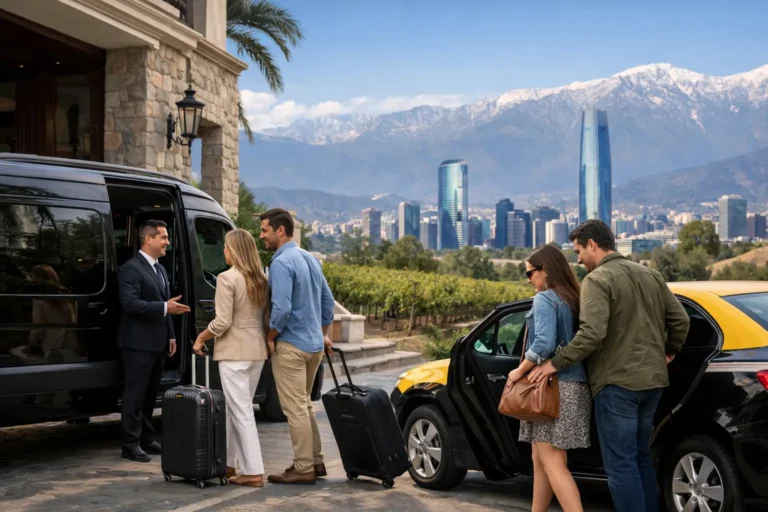
Patagonia travel usually involves carefully timed connections before the landscape opens up. Those first and final days deserve the same attention as your excursions. A private welcome, comfortable vehicle, and experienced local driver remove the pressure of coordinating unfamiliar routes after a flight.
Transfer times can be substantial, so they should be planned as part of the journey rather than treated as an afterthought. With the right pacing, a drive can include a relaxed stop for refreshments, an early wildlife sighting, or a scenic pause when the light is exceptional. Your luggage, meal timing, and lodge arrival should all be anticipated in advance.
This is especially valuable for families, travelers celebrating a special occasion, and guests arriving from long international journeys. Comfort is not an extra in Patagonia. It protects the energy you came to spend on the destination itself.
Choose guides who add local judgment
A knowledgeable guide does more than lead the way. They interpret the landscape, recognize changing conditions, understand the pace that works for you, and know when a small adjustment can improve the entire day. In a place as visually powerful as Patagonia, that judgment is often what transforms a scenic outing into a personal experience.
For active travelers, private guiding can mean a hike matched to your fitness and confidence, with support that feels attentive rather than intrusive. For guests focused on scenery and wildlife, it means taking the time to notice what is happening beyond the obvious landmarks. The strongest guides make room for questions, quiet, and spontaneity.
Private Patagonia travel for different kinds of guests
A couple on a honeymoon may want a gentle balance of private excursions and unscheduled lodge time. A family may need flexible departure times, short walks alongside more ambitious options, and reliable support at every transition. Executives with limited time may value a concise, highly coordinated program that makes every available day count.
The principle is the same: the itinerary should adapt to the traveler, not the other way around. Private planning is particularly valuable when interests within one party differ. A carefully designed day can preserve shared moments while allowing each guest to experience Patagonia at a comfortable pace.
Plan with a team that knows Chile
For a journey that combines Santiago with Torres del Paine, ChileRules can coordinate the travel experience with the same care from arrival to departure. That includes private transportation, English-speaking assistance, trusted local expertise, and a tailored itinerary built around your preferred level of activity and comfort.
The most reassuring plans are detailed before you arrive, yet never feel rigid once you are there. Clear communication, responsive support, and thoughtful contingencies allow you to be fully present when the landscape takes over.
Patagonia asks travelers to respect its scale and unpredictability. Give it the time, guidance, and flexibility it deserves, and the result is not just a trip through remarkable scenery, but a journey that feels entirely your own.