Chile looks straightforward on a map until you realize your trip may span desert plateaus, vineyard valleys, glacial parks, and a capital city framed by the Andes. That is the first thing to understand about what to know before visiting Chile: this is not a one-mood destination. It rewards travelers who plan with precision, especially if comfort, timing, and smooth logistics matter as much as the scenery.
For many first-time visitors, Chile feels surprisingly easy once the right pieces are in place. Service standards at top hotels are strong, flights connect major regions well, and the country offers exceptional experiences for wine lovers, nature-focused travelers, families, and couples. The challenge is not whether Chile is worth visiting. It is how to shape the trip so distances, climate, and transitions work in your favor.
What to know before visiting Chile for trip planning
Chile is extraordinarily long, and that changes everything. A Santiago stay paired with nearby wine valleys and the coast is simple and elegant. Combining Santiago, the Atacama Desert, and Torres del Paine in one trip is also possible, but only if flights, transfer times, and recovery days are handled carefully.
Travelers often underestimate how much moving around can shape the feel of a vacation. On paper, a two-hour flight may seem minor. In practice, when you add airport timing, hotel check-in, and the shift in altitude or weather, a day can disappear quickly. A well-planned Chile itinerary is usually not about fitting in more. It is about choosing the right rhythm.
If you have one week, staying focused tends to create the best experience. Santiago with wine country and Valparaiso works beautifully. So does Santiago with San Pedro de Atacama. With ten days or more, you have more flexibility to combine regions without making the trip feel rushed.
Seasons matter more than many travelers expect
Chile is a year-round destination, but not in the sense that every region is equally ideal at every moment. The best season depends entirely on where you are going.
Santiago and the central wine regions are especially pleasant in spring and fall, when days are mild and landscapes feel lively without peak summer heat. Summer is excellent for coastal visits and long daylight hours, though city afternoons can be warm. Winter appeals to travelers heading for the Andes and ski areas, where proximity to Santiago makes mountain access unusually convenient.
The Atacama Desert can be visited throughout the year, but temperatures shift sharply between day and night. Travelers expecting constant heat are often surprised by cold early mornings and evenings. Patagonia is even more specific. It is at its most accessible during the southern spring and summer months, yet weather there always has the final word. Wind, sudden temperature changes, and shifting conditions are part of the experience, even on well-designed journeys.
This is why one of the most practical answers to what to know before visiting Chile is simple: plan by region, not just by month.
Distances are real, and transitions deserve care
Chile can look deceptively organized because the country is narrow. Visitors sometimes assume overland travel between highlights is quick. It usually is not. The country stretches dramatically north to south, and premium travel here works best when each transfer is treated as part of the experience, not an afterthought.
In and around Santiago, private transportation adds immediate value because it removes waiting, language friction, and unnecessary complexity after a long flight. That matters even more if you are arriving with family, meeting a cruise schedule, connecting to wine country, or heading straight to the mountains.
Elsewhere in Chile, the same principle applies. A polished journey depends on details that are easy to overlook before arrival: how long it takes to clear the airport, when a scenic drive becomes tiring, whether a hotel is genuinely close to the experience you want, and how much flexibility you want if weather changes. Travelers who prefer privacy and efficiency usually find that careful logistics improve not only comfort, but the quality of the entire itinerary.
Santiago is more sophisticated than many expect
Some travelers treat Santiago as a gateway city and move through it too quickly. That is often a mistake. Chile’s capital offers an appealing mix of contemporary hotels, excellent dining, polished neighborhoods, and easy access to the Andes, the coast, and major wine regions.
It is not a city that always announces itself instantly. Its appeal is more refined than obvious. A private city experience with the right local perspective usually reveals far more than a quick independent overview ever could, especially for first-time visitors trying to understand the country’s culture, pace, and geography.
Santiago also works well as a soft landing. After an overnight international flight, spending a night or two in the city before heading to the Atacama or Patagonia can make the overall journey feel more balanced.
The language barrier is manageable, but local support helps
Spanish is the primary language, and English is common in higher-end hotels and established tourism settings, but not universal in every interaction. Airport arrivals, drivers, restaurants, wineries, and regional transitions can vary.
Most experienced travelers are comfortable with some uncertainty, but there is a difference between manageable and effortless. If your priority is a smooth, premium experience, having English-speaking assistance and well-coordinated private service changes the tone of the trip. It keeps decision fatigue low and allows more room for spontaneity where it actually matters – choosing an extra stop at a vineyard, adjusting departure times, or lingering over lunch with a view.
Chile is casual in style, but standards are high
Visitors sometimes ask how formally they should pack. In most of Chile, even upscale settings lean smart casual rather than overtly formal. You will rarely need eveningwear outside a very specific occasion. What matters more is dressing appropriately for changing temperatures, sun exposure, and terrain.
Layers are essential. Santiago mornings and evenings can differ from midday temperatures. The desert demands sun protection and warmth after sunset. Patagonia requires practical outerwear even on luxury itineraries, because comfort there comes from preparation, not dress codes.
This balance is part of Chile’s appeal. The country offers refined travel experiences without unnecessary formality. You can enjoy an exceptional winery lunch, a private transfer through the Andes, or a remarkable lodge in the south while still feeling relaxed rather than staged.
Dining, timing, and daily pace may feel different
Chile’s daily rhythm can take a day or two to settle into. Lunch is often the main event, especially in wine country or on full-day excursions. Dinner may start later than some US travelers expect, particularly in urban settings.
Service in quality restaurants is generally warm and professional, but meals are meant to be enjoyed rather than rushed. That is part of the pleasure. If you are planning museum visits, tastings, or a long scenic drive in the same day, timing should be built around that reality.
Wine is, of course, one of Chile’s quiet strengths. The well-known names matter less than the overall standard. Travelers are often surprised by how consistently good the experience can be, especially when visits are tailored around preferred styles, atmosphere, and pace rather than treated as a generic tasting circuit.
Payment is easy, but flexibility still matters
Credit cards are widely accepted in hotels, restaurants, and established travel services. Even so, having a small amount of local currency available can be useful for minor purchases or situations where speed is easier than waiting on a card terminal.
That said, the bigger consideration for most premium travelers is not payment itself. It is pre-arrival coordination. Confirming airport services, regional transfers, excursion timing, dietary preferences, and hotel details before landing in Chile removes a remarkable amount of friction.
This is especially true on multi-stop itineraries. A beautifully designed trip can feel stressful if every transition depends on last-minute messaging. A concierge-style approach, whether through your hotel or a trusted local operator such as ChileRules, tends to make the experience feel calmer, more personal, and far more efficient.
Nature in Chile is spectacular, but not always gentle
Chile’s landscapes are among the most dramatic in South America, and they deserve respect. In the Atacama, altitude may affect some travelers more than expected. In Patagonia, weather can change within an hour. In the Andes, mountain conditions shape travel times and activity windows.
None of this should discourage you. It should simply guide expectations. The best Chile trips leave room for adjustment. They avoid overpromising a fixed script in places where nature still leads. For travelers who value comfort, that usually means building in thoughtful pacing, private support, and enough flexibility to adapt without losing the experience.
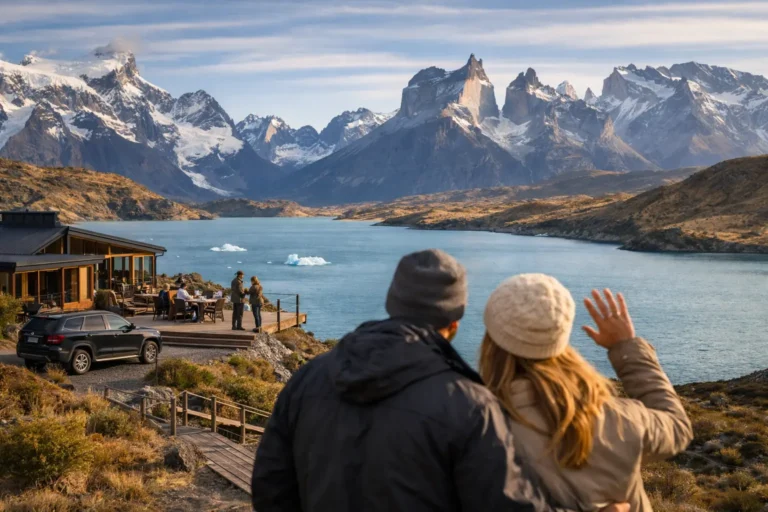
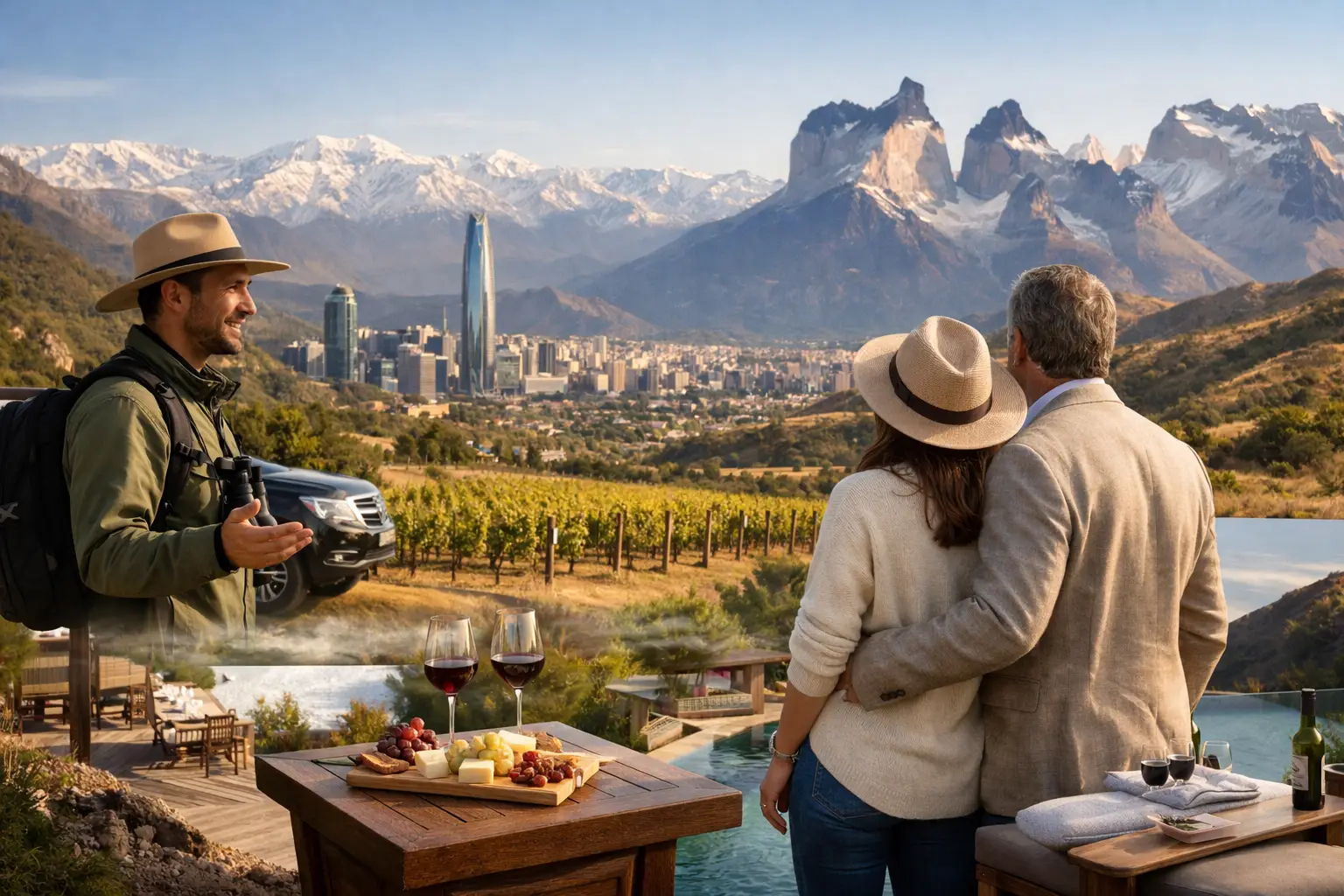
What makes Chile memorable is not just the scenery. It is the contrast – a polished glass of Carménère after a morning in the city, a desert sky that feels almost unreal, a lodge view in the south that makes you forget your phone exists. If you plan for the country Chile actually is, rather than the simplified version many visitors imagine, Chile tends to exceed expectations in all the right ways.