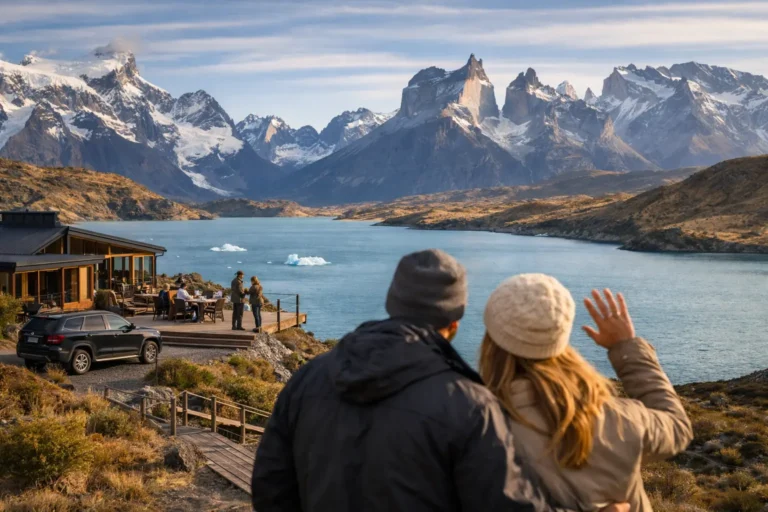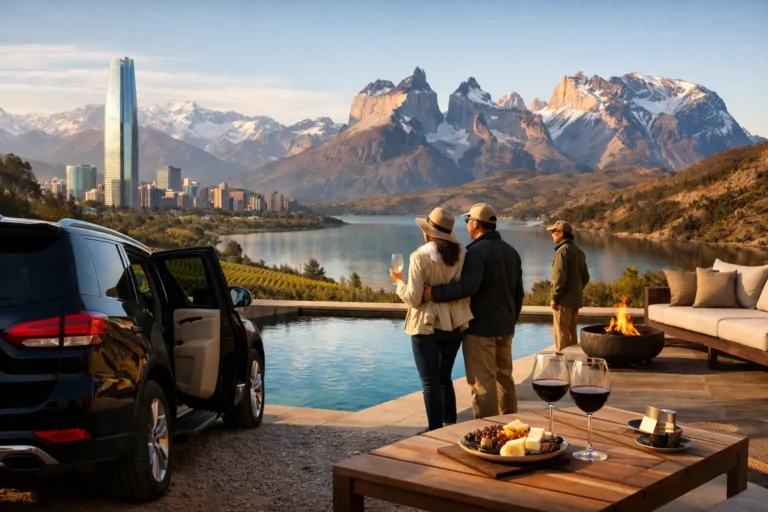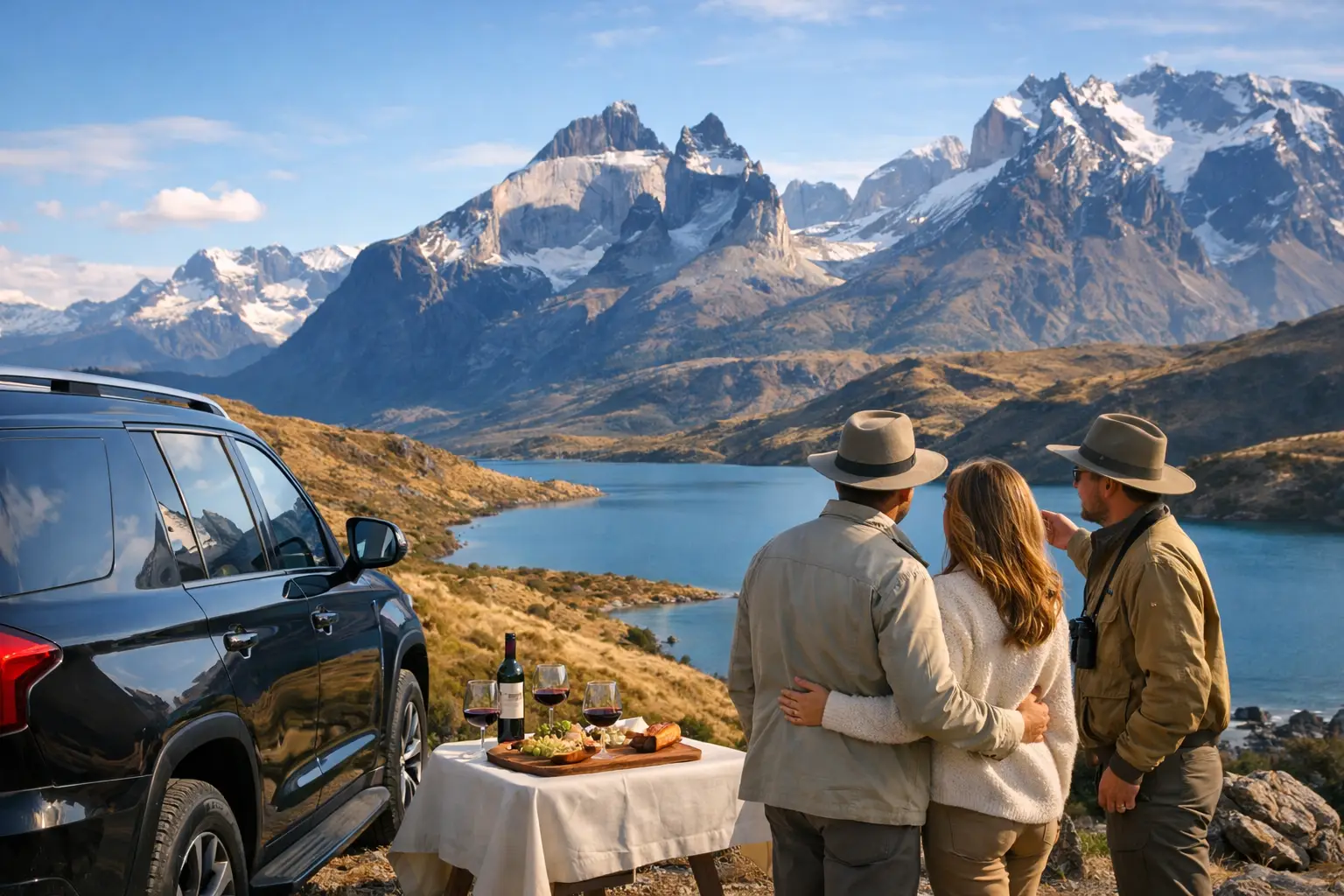
Patagonia rewards travelers who want space, stillness, and drama on a grand scale – but it also asks for good planning. Distances are long, weather shifts quickly, and the best experiences often depend on timing, access, and local coordination. That is exactly why private Patagonia travel appeals to travelers who want the journey to feel as exceptional as the destination.
In southern Chile, small details shape the entire experience. A well-timed transfer can mean arriving at your lodge rested instead of rushed. The right guide can turn a scenic viewpoint into a deeper understanding of the landscape, wildlife, and culture. A flexible itinerary can make room for clear skies, a spontaneous stop, or a slower morning when the view from your suite is too good to leave.
Why private Patagonia travel changes the experience
Patagonia is not a destination where travelers usually want to spend their time managing logistics. Flights, road transfers, park entry timing, weather windows, boat navigation, and lodge check-ins all need to line up. When they do, the trip feels effortless. When they do not, the remoteness becomes less romantic very quickly.
Private travel changes that rhythm. Instead of adjusting to fixed schedules, you travel around your own priorities. Some guests want iconic scenery with as little friction as possible. Others want a more active itinerary built around hiking, photography, wildlife watching, or special occasions. The value of a private format is not only comfort. It is control, discretion, and the ability to shape each day around what matters most to you.
For couples, that may mean quiet time, premium accommodations, and scenic drives without unnecessary stops. For families, it often means a pace that respects different ages and energy levels. For executives or time-conscious travelers, it means precision and responsiveness. Patagonia is extraordinary, but it is even better when the experience feels calm and considered from start to finish.
What premium travelers usually want from Patagonia
The best Patagonia journeys are rarely built around seeing the most in the shortest time. They are built around seeing the right things, in the right order, with enough breathing room to enjoy them.
For many travelers, Torres del Paine is the centerpiece. It offers the classic imagery people imagine when they think of Chilean Patagonia – granite towers, turquoise lakes, open plains, and sudden moments of wildlife in the distance. But a well-designed private itinerary does more than place Torres del Paine on the schedule. It considers how you arrive, where you stay, what level of activity suits you, and how to balance high-impact sightseeing with genuine rest.
That matters because Patagonia can be physically demanding, even when the trip is luxurious. Long scenic drives are part of the experience. Wind can change outdoor plans. Some lodges are intentionally remote, which is part of their appeal but also something to plan around carefully. Premium travelers tend to appreciate honesty here. Comfort in Patagonia is absolutely possible, but it looks different from an urban luxury stay. The real luxury is thoughtful service, privacy, beautiful accommodations, and a team that handles the moving parts well.
Planning private Patagonia travel well
A strong Patagonia itinerary starts with priorities, not with a generic route. The first question is not how many nights you can fit in. It is how you want the trip to feel.
Some travelers want a scenic introduction to Patagonia with private transfers, guided excursions, and a standout lodge experience. Others want several layers – perhaps a few days in Santiago to settle in, followed by Patagonia as the dramatic finale. Honeymooners may want more privacy and fewer hotel changes. Families often benefit from fewer transitions and more flexible daily planning. Photography-focused travelers may prioritize sunrise and sunset positioning over long excursion menus.
Seasonality also matters. Patagonia is not a place where every month delivers the same result. Spring and summer usually offer the broadest access and the longest days, which many travelers love. Shoulder periods can feel quieter and more atmospheric, but they may require more flexibility. The right timing depends on whether your priority is hiking, scenery, wildlife, or a more peaceful pace.
This is where local planning becomes especially valuable. On paper, two itineraries can look similar. In practice, one may involve poorly timed connections and too many hours in transit, while the other feels balanced and smooth. The difference is often invisible until you are there.
The role of private transfers and local coordination
Patagonia is one of the clearest examples of why transportation is not just transportation. It is part of the experience.
A premium private journey should feel reliable from the moment you arrive in Chile. That may begin with airport coordination in Santiago, onward travel support, and carefully arranged handoffs between flights, drivers, guides, and lodges. Once in the south, private transfers create a very different day than shared movement ever could. You leave when it makes sense for you. You stop when the landscape deserves it. You travel in comfort, with room for luggage, outerwear, camera gear, and the sense that nobody is rushing you along.
There is also reassurance in having local support when conditions change. Weather in Patagonia does not always cooperate with original plans, and experienced coordination makes those adjustments far easier. Sometimes the best service is not about a visible flourish. It is about solving the problem before it becomes your problem.
Private Patagonia travel for different styles of traveler
No two Patagonia trips should look exactly alike, because the reasons people go are different.
Couples often want Patagonia at its most elegant and intimate. That may mean lodge stays with strong views, private excursions, and enough free time to enjoy the setting without feeling scheduled every hour. For anniversary and honeymoon travel, the quieter touches matter – a beautiful arrival, thoughtful pacing, and room for the landscape to do what it does best.
Families usually need something more customized. Children and grandparents do not always want the same day, and a private format makes that easier to manage. Travel times, meal timing, and activity levels can be adjusted in a way that keeps the trip enjoyable for everyone.
For travelers combining Patagonia with other parts of Chile, continuity matters. A well-planned itinerary should not feel like separate bookings stitched together. It should feel like one coherent journey. This is where a company such as ChileRules adds value through tailored planning, premium transportation, and responsive support designed around the traveler rather than a preset template.
What to look for in a private Patagonia service
The word private can mean many things in travel, so it is worth looking beyond the label. A genuinely high-end Patagonia experience should offer more than a vehicle and a loose itinerary.
Look for a service that listens closely at the planning stage. Are they asking about pace, interests, travel style, and preferred level of activity? Are they clear about travel times and realistic about what can be accomplished comfortably? Good planning is often less about saying yes to everything and more about shaping the right version of the trip.
You should also expect strong communication. Premium travelers value responsiveness because it signals competence. Before departure, that means clear confirmations, practical guidance, and thoughtful recommendations. During the trip, it means having support that is easy to reach and quick to act.
Finally, pay attention to whether the experience feels personal. Patagonia is unforgettable on its own, but service is what turns a beautiful trip into one that feels cared for. The best private journeys have polish without stiffness. They feel attentive, not scripted.
Why the best Patagonia trips leave room for the unexpected
Patagonia can be planned carefully without feeling overmanaged. In fact, the strongest itineraries usually protect a sense of openness.
A condor circling above a ridge, a sudden clearing of clouds over the peaks, a quiet stretch of road where guanacos appear in the distance – these are often the moments people remember most. Private travel creates room for them. You are not moving at someone else’s pace or tied to a rigid sequence that leaves no space to pause.
That balance is what makes the experience feel elevated. You want structure where it matters – logistics, timing, comfort, and expert guidance. But you also want enough flexibility to respond to the landscape rather than simply pass through it.
Patagonia does not need to be rushed to feel meaningful. When the journey is thoughtfully private, it becomes less about checking off sights and more about experiencing southern Chile with comfort, confidence, and the kind of attention that lets the wildness feel accessible. If you are going to travel that far for a place this extraordinary, it is worth doing in a way that feels fully your own.