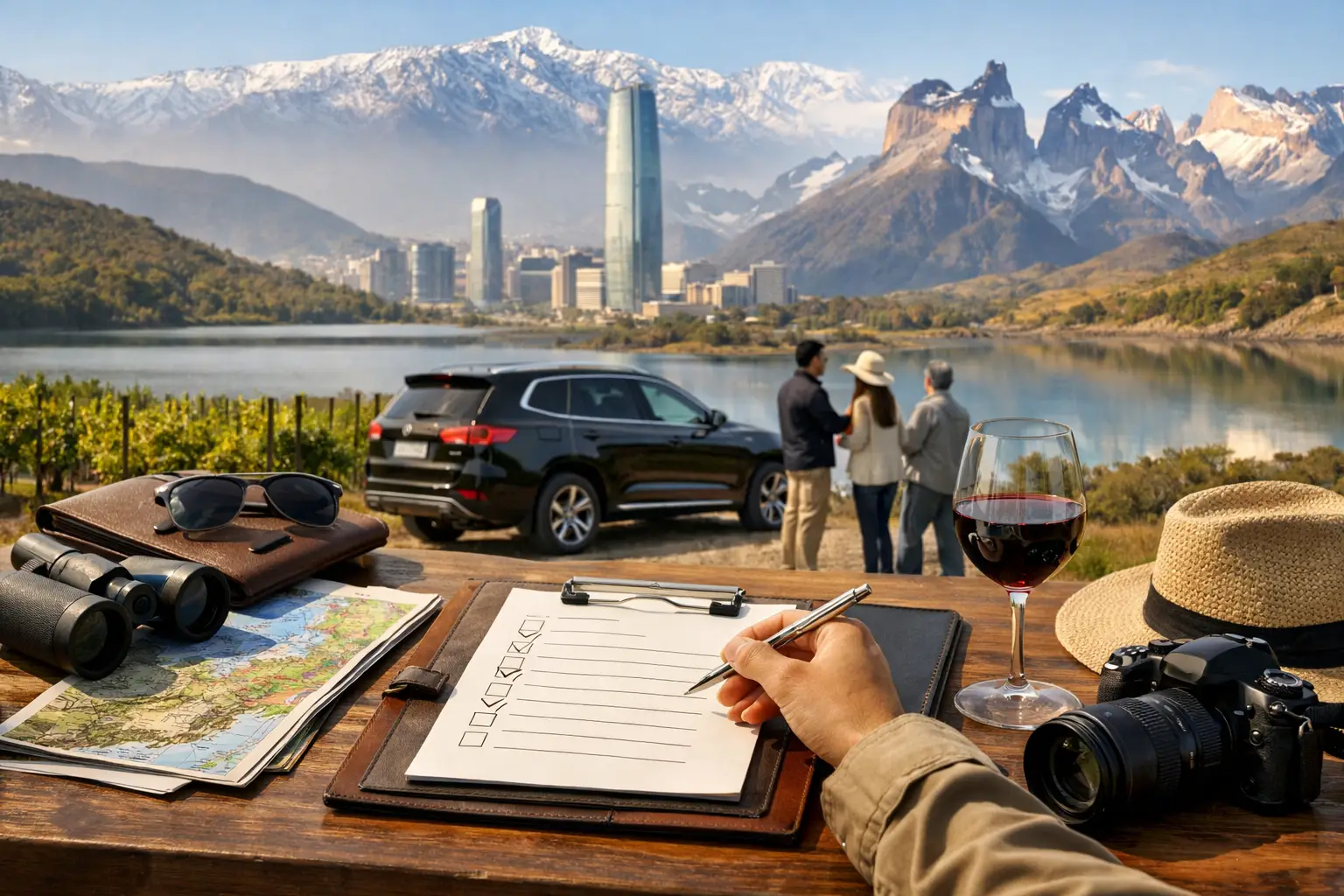
Chile rewards thoughtful pacing. A morning in the Atacama Desert, an afternoon tasting in the Casablanca Valley, or a private transfer into Torres del Paine can feel beautifully simple once the details are in place. This Chile trip planning checklist is designed for travelers who want every transition to feel considered, comfortable, and personal.
Chile is long, geographically dramatic, and more varied than many first-time visitors expect. The key is not trying to see everything. It is choosing the right regions, protecting time for rest, and arranging each connection with the same care as the experiences themselves.
Start Your Chile Trip Planning Checklist With Priorities
Before selecting hotels or confirming internal flights, decide what you want the trip to feel like. For some travelers, Chile is a honeymoon of dramatic landscapes, exceptional dining, and quiet lodge stays. For others, it is a family journey that balances discovery with easy logistics. Executives may need a polished itinerary that makes the most of a limited number of days.
A clear priority list helps shape every later decision. Consider whether your ideal trip centers on wine, desert scenery, Patagonia, culture, wellness, skiing, or a combination of two distinct regions. Chile can accommodate an ambitious itinerary, but each added destination brings another airport, transfer, and packing day. A more selective route often creates a more rewarding experience.
For most first visits, Santiago works well as a refined arrival point and a natural place to begin. From there, the wine valleys and Valparaíso are close enough for private day experiences, while flights connect travelers with northern and southern Chile.
Choose regions that belong together
Santiago, the Casablanca Valley, the Maipo Valley, and Valparaíso pair naturally. They offer city energy, vineyard landscapes, acclaimed restaurants, and coastal character without requiring frequent changes of hotel.
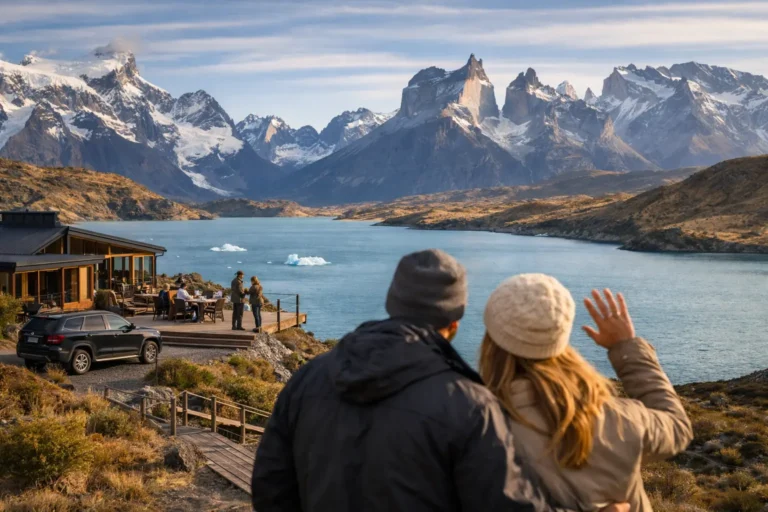
San Pedro de Atacama deserves its own unhurried stay. The altitude, early departures for certain landscapes, and exceptional night skies make it a destination where comfort and sensible scheduling matter. Patagonia, particularly Torres del Paine, is equally deserving of time. Its weather can change quickly, and the journey is best approached as an experience rather than a rushed stop on a longer route.
Chiloé offers another kind of Chile: green landscapes, distinctive architecture, and a slower cultural rhythm. It is an excellent addition for travelers drawn to authenticity and atmosphere, though it is usually best treated as a dedicated extension rather than squeezed between major highlights.
Confirm the Right Length of Stay
The most elegant itineraries leave room to arrive well. International travel, different time zones, and Chile’s distances all influence how a trip feels on the ground. Plan a gentle first afternoon in Santiago, particularly if you have a long overnight flight or are arriving with children.
As a general planning framework, allow three to four nights for Santiago and its surrounding wine country, four nights for Atacama, and four to five nights for Torres del Paine. These are not rigid rules. A couple focused on wine and gastronomy may prefer extra time near Santiago, while active travelers may wish to extend Patagonia. The important consideration is avoiding one-night stays whenever possible.
When combining the desert and Patagonia, build in a transition night or a schedule with generous margins. These regions sit at opposite ends of the country, and the movement between them is part of the itinerary. Well-managed transfers turn that movement into a calm, comfortable day instead of a logistical concern.
Arrange Private Airport and Regional Transfers Early
For premium travel, transportation is not simply a way to get from one place to another. It sets the tone for the entire journey. After a long flight into Santiago, a professional airport welcome, an immaculate vehicle, and English-speaking assistance provide immediate reassurance.
The same standard matters beyond the capital. Private transportation allows you to leave on your preferred schedule, make thoughtful stops along the way, and travel with luggage, equipment, or family needs handled properly. It also gives you continuity: the person coordinating your journey understands your hotel, flight schedule, dining plans, and next destination.
Include these details when arranging each transfer:
- International and domestic flight numbers, arrival times, and airline information
- The number of travelers, luggage pieces, and any special requirements
- Hotel addresses and preferred departure times
- Child seats, mobility considerations, ski equipment, or other comfort needs
For travelers booking a private guide or driver, share your interests before arrival. A visit to a winery, for example, can be shaped around architecture, organic farming, food pairings, collector wines, or a relaxed lunch with a view. Specific preferences make a private day genuinely tailored rather than merely prearranged.
Select Hotels That Support the Itinerary
A wonderful hotel should make each destination easier to enjoy. In Santiago, consider whether you prefer proximity to restaurants, galleries, green spaces, or a quieter residential atmosphere. In wine country, a vineyard setting can create a restorative contrast to the city. In Atacama and Patagonia, lodge location, room comfort, dining quality, and excursion coordination become especially significant.
Do not assess hotels only by the room. Ask how early breakfast is handled before a sunrise outing, whether luggage can be stored during regional transitions, and how the property supports private experiences. A hotel that understands your schedule can make a meaningful difference during a short stay.
Families should confirm room configurations and connected-room availability early. Couples may want to prioritize privacy, a memorable setting, and flexible dining. These choices are personal, and they are worth discussing before the most desirable accommodations are committed.
Plan Experiences Around Light, Altitude, and Energy
Chile’s finest moments often happen at particular times of day. In the Atacama, sunrise can reveal geysers and high-altitude landscapes at their most striking, while sunset brings a different kind of drama to the desert. In wine country, a late-morning tasting followed by a leisurely lunch usually creates a better rhythm than trying to visit too many properties in one day.
Altitude in the north deserves respectful planning. Give yourself time to acclimate, stay well hydrated, and avoid placing the most demanding excursion immediately after arrival. Your private guide can help sequence the experience around how you are feeling, not just what looks good on a map.
Patagonia requires a similarly flexible mindset. Conditions may shift between sunshine, wind, and rain within hours. Build an itinerary with options, appropriate layers, and a guide who can adjust the day intelligently. The goal is not to control the landscape. It is to meet it comfortably and well prepared.
Build in Reservations and Personal Touches
The most sought-after dining rooms, winery experiences, private guides, and specialized excursions should be considered well before departure. This is particularly true during popular travel periods and for travelers who have specific preferences.
Share the details that turn a good itinerary into a personal one: dietary needs, favorite wines, celebration dates, photography interests, preferred activity level, and any moments you would like to make special. A private journey has room for spontaneous discoveries, but that freedom is easier to enjoy when the important reservations are already secure.
For corporate travelers or multigenerational families, designate one primary contact for final decisions. This keeps communication clear while allowing the itinerary to reflect everyone’s needs.
Review the Final Chile Trip Planning Checklist
About two weeks before departure, review the complete itinerary as one connected journey rather than a series of reservations. Confirm flight times, hotel stays, transfer contacts, restaurant arrangements, and daily meeting points. Make sure names match travel documents and that the person coordinating your transport has the best number to reach you during the trip.
Pack for regional contrast. Santiago may call for polished city attire, while the desert and Patagonia require practical layers, sun protection, and comfortable footwear. If your itinerary includes several climates, keep a small carry-on with essentials for the first day in each region in case checked luggage follows on a later connection.
Finally, leave a little open space. A private itinerary should feel expertly organized without feeling overprogrammed. The best Chile journeys make room for an unhurried coffee with an Andes view, an extra glass at a vineyard table, or a scenic pause that was never on the original schedule.
With local coordination from a trusted private team such as ChileRules, those unscripted moments can happen without sacrificing the confidence that every important detail is already handled. Bring your priorities, your curiosity, and enough time to let Chile reveal itself at its own remarkable pace.