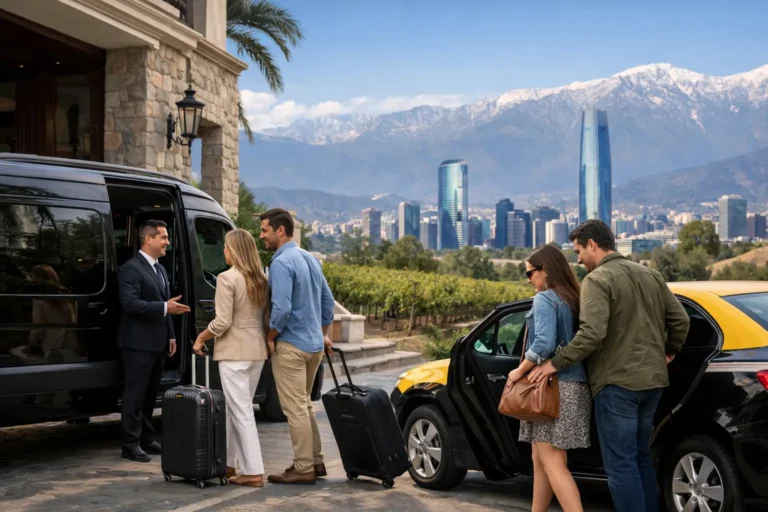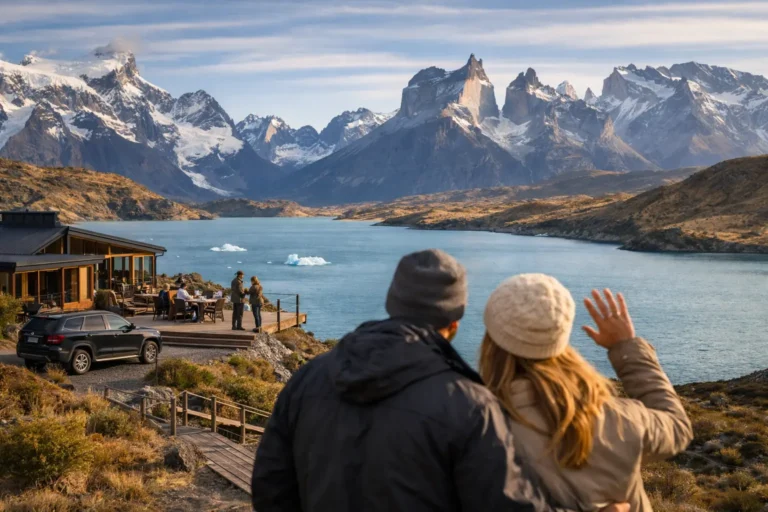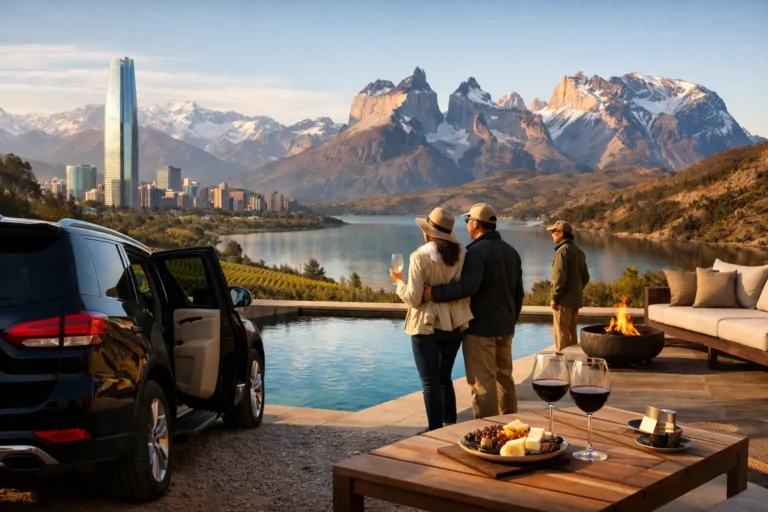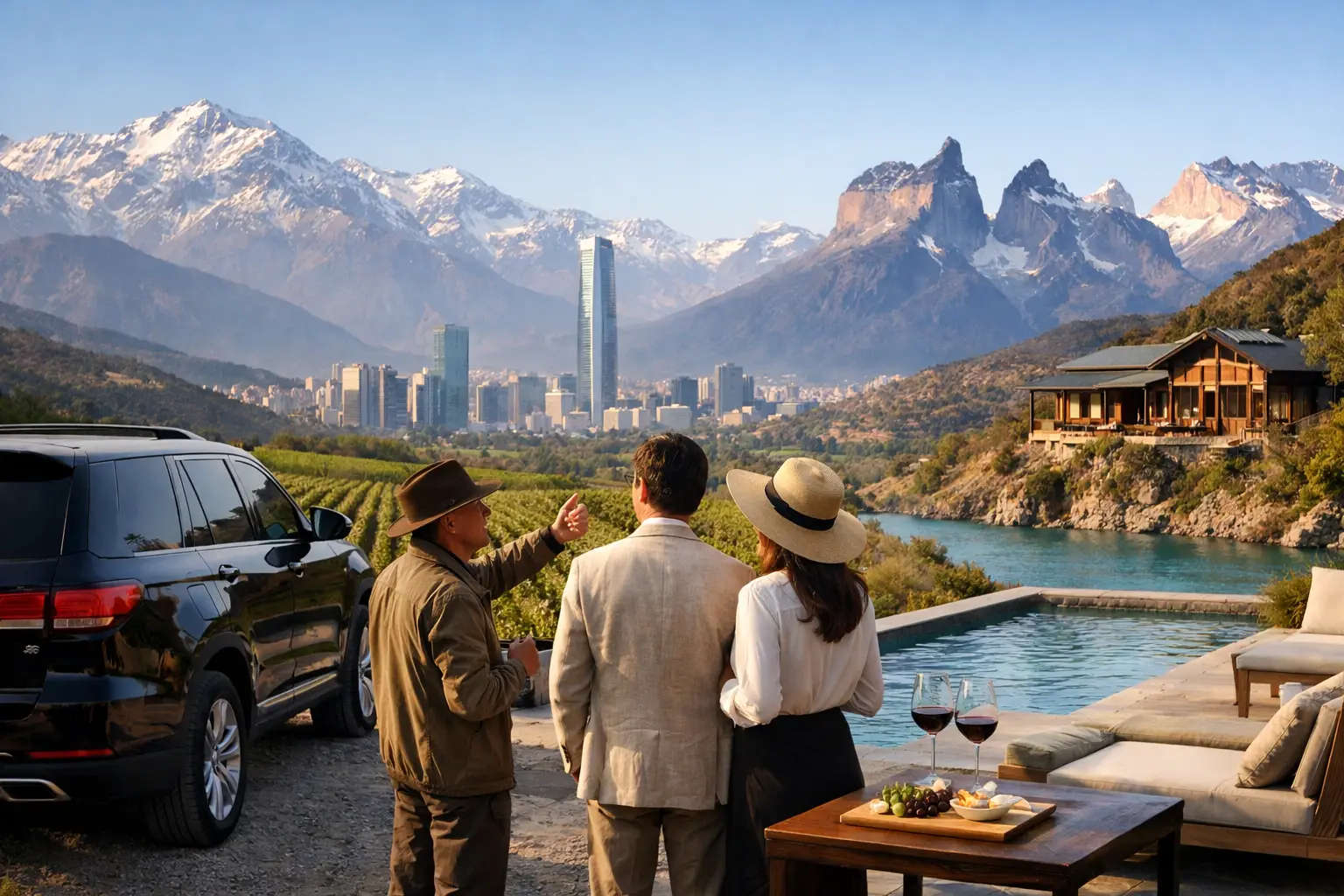
A private airport greeting after a long international flight, a perfectly timed transfer to the hotel, and an itinerary that already reflects personal tastes – this is where Chile luxury travel trends are moving. High-end travelers are not asking for more activity. They are asking for better design, smoother logistics, and experiences that feel personal from the first message to the final departure.
Chile is especially well suited to this shift. Distances are long, landscapes change dramatically, and the best experiences often depend on timing, access, and local coordination. For travelers who want to move comfortably between Santiago, wine country, the Atacama Desert, and Patagonia, luxury is no longer just about where they stay. It is about how the entire journey feels.
Chile luxury travel trends are becoming more personal
One of the clearest changes in the luxury market is the move away from one-size-fits-all itineraries. Travelers still want iconic places, but they want them arranged around their pace, interests, and energy. A couple celebrating an anniversary may want a slower wine country day with a private tasting and a long lunch. A family may need flexible timing, spacious vehicles, and guides who can adapt the day without fuss. An executive traveler may want every transfer handled with precision and very little back-and-forth.
This sounds simple, but it changes everything in trip design. The value is not in offering more stops. It is in understanding which experiences matter most and building the day around them. In Chile, where a single region can offer vineyards, coastal towns, mountain views, and world-class dining, thoughtful curation matters more than volume.
This is also why travelers are increasingly choosing private services over standardized experiences. Privacy, comfort, and flexibility are part of the appeal, but so is control. If a guest wants to leave earlier for Valparaiso, add a scenic stop on the way to a winery, or adjust the rhythm of a Santiago city day, the itinerary can follow the traveler rather than the other way around.
The new luxury is smooth logistics
For many visitors, Chile is not a casual weekend destination. Long-haul flights, domestic connections, climate differences, and regional transfers can make the trip feel more complex than it looks on a map. That is why premium logistics have become one of the defining Chile luxury travel trends.
Travelers increasingly value what happens behind the scenes – airport coordination, reliable timing, professional drivers, English-speaking support, well-maintained vehicles, and clear communication before arrival. These details may not appear in vacation photos, but they shape the entire experience.
There is also a practical side to this. A beautifully planned Patagonia stay loses some of its appeal if the road transfer feels uncertain. A wine tasting day is far more enjoyable when nobody has to think about navigation, timing, or parking. Even a short Santiago visit feels elevated when arrivals, meetings, touring, and departures run effortlessly.
Luxury travelers are often time-conscious, not only affluent. They want confidence that every moving part is being handled well. In Chile, where travel days can be significant, smooth logistics are not an extra touch. They are part of the product.
Comfort now means space, calm, and consistency
Comfort expectations have become more specific. Guests are looking for quiet, immaculate vehicles, attentive but unobtrusive service, and a sense of calm throughout the journey. They notice whether the transfer feels rushed. They notice whether communication is proactive. They notice whether the service is polished in the same way as the hotel they chose.
That consistency matters. Luxury travel feels complete when every part of the day supports the same standard, from airport pickup to winery arrival to evening return.
Experience-led travel is replacing checklist travel
Many first-time visitors still want Chile’s headline destinations, and rightly so. The Atacama, Torres del Paine, Santiago’s food and wine scene, and the coast continue to attract strong interest. What is changing is how travelers want to experience them.
Rather than trying to fit as much as possible into each day, travelers are choosing fewer, better moments. A private tasting in Casablanca may matter more than visiting several wineries in one afternoon. A tailored day in Santiago with architecture, gastronomy, and a stop that reflects a personal interest may leave a stronger impression than a rigid city circuit. In Patagonia, travelers often want thoughtful pacing that leaves room for the landscape rather than over-scheduling every hour.
This preference reflects a more mature luxury mindset. Guests are not collecting destinations for the sake of saying they were there. They want memories with texture – a conversation with a guide who knows the region deeply, a lunch chosen because it suits their style, a scenic route timed for the best light, or a desert evening arranged with comfort and privacy in mind.
There is a trade-off, of course. Seeing fewer places can feel risky for travelers visiting Chile for the first time. But in practice, better pacing often leads to a richer trip, especially in a country where travel between regions can be part of the experience rather than something to rush through.
Wellness and soft adventure are meeting in the middle
Another notable shift in Chile luxury travel trends is the blending of wellness and adventure. Travelers still want remarkable scenery and active experiences, but they are increasingly choosing them in ways that feel restorative rather than exhausting.
In Chile, this can take many forms. It may mean pairing a few days in the Atacama with slower mornings and carefully selected excursions instead of a packed schedule. It may mean choosing private transportation to ski areas so the day begins comfortably and runs on the guest’s timing. It may mean a Patagonia journey that balances iconic landscapes with high-touch service and restful downtime.
Luxury travelers are looking for physical experiences that feel rewarding, not punishing. They want access to nature without unnecessary friction. That is why high-end planning now pays close attention to transitions, altitude, energy levels, family dynamics, and recovery time.
For couples and honeymooners, this often means privacy and atmosphere. For families, it usually means flexibility and ease. For corporate or incentive travelers, it can mean designing experiences that impress without creating fatigue.
Wine travel is becoming more curated
Chile’s wine regions remain central to premium travel, but expectations have evolved. Guests are less interested in simply visiting a vineyard and more interested in how the day feels from beginning to end.
A luxury wine experience now depends on pacing, setting, service, and access. The route matters. The quality of the host matters. The meal matters. Even the order of visits matters, especially if the day includes architecture, views, or a coastal element. Casablanca, Maipo, and Colchagua each offer different moods, and the right fit depends on whether the traveler wants elegance, convenience, depth, or a fuller day journey.
This is where local planning becomes especially valuable. Two winery days can look similar on paper and feel entirely different in reality. The best luxury experiences are rarely the most crowded or the most obvious. They are the ones chosen with the traveler’s taste, schedule, and style in mind.
Multi-region trips need stronger coordination than ever
As interest in Chile grows, many high-end visitors are combining more than one region in a single trip. Santiago may serve as the gateway, with wine country, the coast, Atacama, Chiloe, or Torres del Paine added depending on the season and the traveler’s priorities.
These journeys can be extraordinary, but they require careful coordination. Climate, flight timing, packing needs, and transfer windows all affect the final experience. What looks efficient on an itinerary can feel tiring if the order is wrong or the transition days are too tight.
That is why one of the strongest luxury trends is not a destination at all. It is integrated planning. Travelers want one trusted point of contact, clear communication, and support that continues throughout the trip. They want to know that if a flight shifts or a preference changes, the response will be quick and capable.
For premium travelers, peace of mind is part of the luxury. It may even be the part they value most.
What travelers will keep choosing next
The direction is clear. The future of luxury travel in Chile is more private, more tailored, and more service-driven. Travelers are choosing thoughtful pacing over packed schedules, expert coordination over uncertainty, and authentic access over generic sightseeing.
That does not mean every itinerary should be slow or every experience should be quiet. Some travelers want bold landscapes, early departures, and full days. Others want long lunches, soft mornings, and a lighter rhythm. The point is that high-end travel now succeeds by matching the service to the person, not by offering the same version of luxury to everyone.
For a country as varied as Chile, that is good news. It rewards smart planning, local knowledge, and the kind of attentive private service that turns a beautiful trip into one that feels completely taken care of. If you are planning Chile well, the best trend to follow is the one that makes the journey feel unmistakably your own.